
Infinite Blackjack — what is the difference
One extra seat can change the math by thousands of decisions per hour. That is the real spark behind Infinite Blackjack, a live table format that keeps the dealer fixed while allowing a huge number of players to join the same round. For fans who track house edge, decision frequency, and return-to-player math, the differences are measurable, not cosmetic.
Dealer output changes when the table stops filling up
Traditional blackjack tables often cap at 7 to 9 players. Infinite Blackjack removes that practical ceiling, and the effect is easy to quantify. If a dealer handles 60 hands per hour and each player gets 60 decisions in a steady seat, a 9-seat table produces up to 540 player-hand decisions per hour. Infinite Blackjack can multiply that number sharply because the same round can accept far more participants without adding another dealer.
Callout: more players do not mean a worse theoretical return, but they do mean more simultaneous action, more side-bet volume, and more variance in bankroll swings across the table.
Here is the basic math players should watch:
- Seat count: 9 seats versus effectively unlimited access.
- Hands per hour: 50 to 80 depending on dealer speed and bet confirmation.
- Decision density: if 25 players participate instead of 7, the table can process 3.57 times more player decisions at the same pace.
- Bankroll exposure: at €10 average wagers, 25 players create €250 per round of base action, before side bets.
That scale is why Infinite Blackjack feels so busy even when the rules are familiar. The table engine is doing more work, and the player sees that in the pace of play.
RTP math: the game stays familiar, but the side bets shift the balance
The core blackjack RTP is still driven by rules and strategy. In a standard house-friendly live blackjack game, the main hand can sit around 99.5% RTP with optimal play, while a weaker ruleset may drop closer to 98.2%. The difference between those two figures is enormous over time.
Stat highlight: at 98.2% RTP, the long-run house edge is 1.8%; at 99.5% RTP, it is only 0.5%.
Run the numbers on a €1,000 total turnover session:
- At 98.2% RTP, expected loss = €18.
- At 99.5% RTP, expected loss = €5.
- Difference = €13 per €1,000 wagered.
That gap becomes even more interesting when side bets enter the picture. Many Infinite Blackjack tables offer optional wagers with much lower return profiles. A side bet at 94% RTP on €200 of total side action has an expected loss of €12, while the same amount on the base game at 99.5% RTP would cost only €1. That is a 12x difference in expected value.
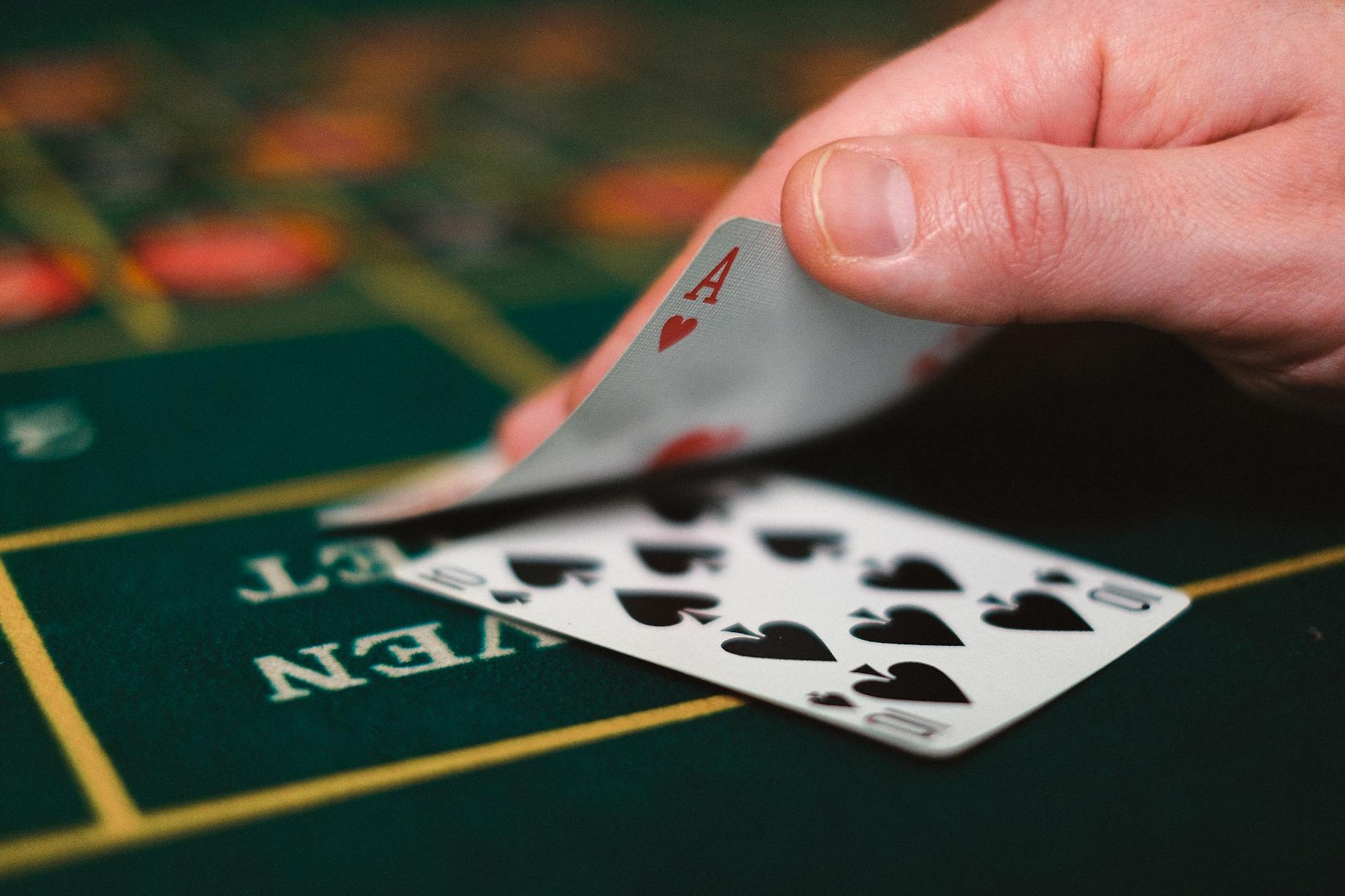
Unlimited seats versus fixed seats: the numbers behind the player experience
Infinite Blackjack is not just “more people at the table.” The structure changes how a session feels and how variance spreads across players. On a fixed-seat table, 8 players each receive 12.5% of the seat share. On an unlimited table with 32 participants, that share drops to 3.125% per player if all are active at the same time.
| Metric | Fixed-seat blackjack | Infinite Blackjack |
|---|---|---|
| Typical player cap | 7-9 | Dozens or more |
| Average decisions per hour | 350-720 total table actions | 700-1,500+ total table actions |
| Queue pressure | High at busy times | Low, because seats are effectively elastic |
| Variance feel | More personal, more seat-dependent | More diluted across the player pool |
That dilution can be a plus. A player who dislikes waiting for a seat gets immediate access. A player who wants a quiet read on the dealer’s rhythm may prefer a smaller table. The math explains the emotional difference.
NetEnt’s live engineering and the rules that keep the edge stable
NetEnt is one of the names most closely associated with the format, and the technical design is built to preserve blackjack fundamentals while scaling participation. The live stream, betting window, and dealer workflow are engineered so that a larger crowd does not distort the core probabilities of the game.
Rule changes matter far more than table size alone. Consider three common adjustments:
- Dealer stands on soft 17: usually improves player RTP by about 0.2% compared with hit-soft-17 rules.
- Double after split: can add around 0.1% to 0.2% in player value depending on the full ruleset.
- Blackjack payout: 3:2 is far stronger than 6:5; on €500 of blackjack wins, 3:2 pays €750, while 6:5 pays €600, a €150 difference.
Those rule points are where the real money lives. A table with a large player count but strong rules can still be superior to a smaller table with a punitive payout structure.
For regulatory context, operators working under standards from the Malta Gaming Authority usually publish rule sheets and game certifications more clearly, which helps players compare RTP and side-bet terms with less guesswork.
Why the format feels faster even when the odds do not improve
At first glance, Infinite Blackjack looks like a pace upgrade. The deeper truth is a little more nuanced. The game can feel faster because access is frictionless, not because the dealer suddenly resolves hands at a higher speed. If 18 players each place €20, the table processes €360 of base wagering in one round. At 50 rounds per hour, that is €18,000 of gross handle moving through a single live stream.
Callout: speed in blackjack is not only about hand resolution; it is also about how quickly the game converts attention into action.
That is why the format has become so attractive to live-casino operators. The round structure stays recognizable, but the throughput rises. Players get a familiar blackjack brain workout, and the operator gets a scalable product. The best implementations, including those built with NetEnt technology, keep the math clean while expanding the number of people who can participate at once.
What the difference means for a €100 bankroll
Let us put the whole picture into one session model. A player starts with €100 and makes 20 hands at €5 each. Base-game turnover equals €100. If the table offers a 99.5% RTP blackjack rule set, expected loss on that €100 is €0.50. If the player adds €20 in side bets at 94% RTP, expected loss rises by €1.20. Total expected loss becomes €1.70.
Now increase the session intensity: 40 hands at €5 plus €40 in side bets. Turnover becomes €240. At the same RTP mix, expected loss climbs to €4.08. The number is still modest, but the side bets have accounted for nearly 30% of the total expected loss while representing only 16.7% of the total stake.
That is the clearest difference in Infinite Blackjack: the main game remains mathematically disciplined, while the surrounding action can either preserve that discipline or erode it quickly depending on bet choice. For players who enjoy live blackjack and want a bigger, busier table without surrendering the basic odds, the format delivers a very sharp, very measurable upgrade in scale.